

Updated on October 1, 2026 by John Ingham
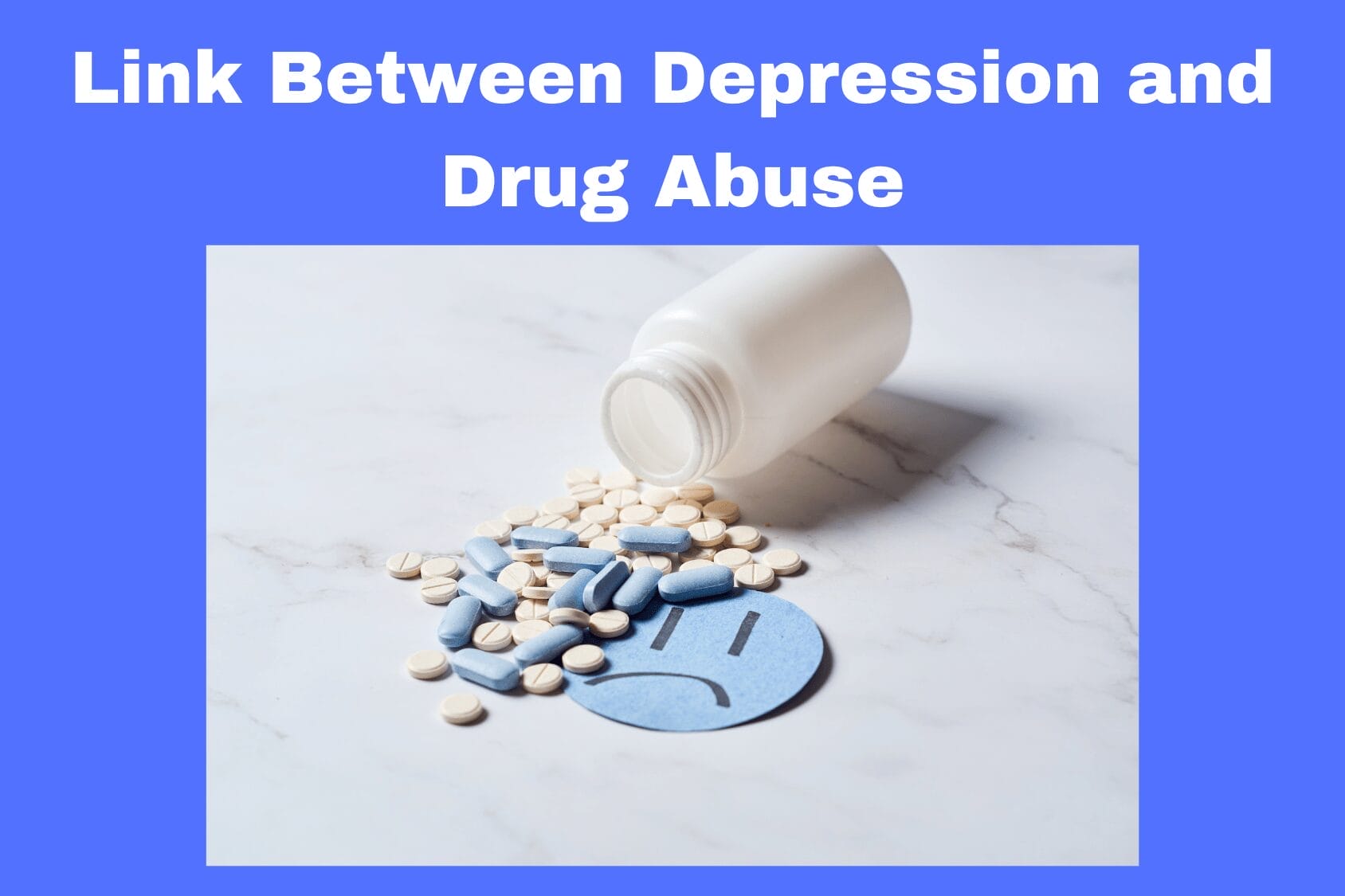
Depression and unsafe self-medication can occur together. Alcohol or other drugs may provide temporary relief for some people, but they can also worsen mood, disrupt sleep, and become habit-forming. A professional assessment can help identify the care each person needs.
Understanding the Link Between Depression and Unsafe Self-Medication
The relationship between depression and unsafe self-medication can work in both directions. Some people turn to alcohol or other drugs to cope with depression, while the effects of these drugs or withdrawal may contribute to depressive symptoms.
In cases where depression comes first and the unsafe self-medication later, what commonly occurs is the individual is self-medicating using alcohol or drugs to bring temporary relief from their depressive symptoms.
Alcohol and other drugs can affect mood, sleep, and brain signaling. Their effects vary, and intoxication or withdrawal can contribute to depressive symptoms. Dopamine and serotonin are neurotransmitters, not endorphins.
Some other ways in which these two are linked include:
- Sleep disturbances: Both depression and unsafe self-medication can cause sleep disturbances, making it difficult to get sufficient restful sleep. A lack of sleep can trigger depressive symptoms when drugs are being abused and worsen depression when symptoms already exist.
- Trauma: Unresolved trauma can lead to both unsafe self-medication and depression. Some people might turn to alcohol or other drugs to cope with their trauma, while others become depressed first.
- Family history: A family history of mental health conditions can increase vulnerability to depression. Individual risk depends on several biological, psychological, and environmental factors.
Impact of Unsafe Self-Medication on Depression
The impact of unsafe self-medication on depression can worsen both conditions as follows:
- Only provides temporary symptom relief: Using drugs as a coping mechanism to self-treat depression only offers short-term, temporary relief of symptoms. It does not address the underlying condition, nor is it effective as a long-term solution.
- Tolerance: Repeated exposure to some drugs can lead to tolerance, meaning that the same dose has less effect. This does not occur with every drug or in every person. Increasing a dose without medical guidance can be dangerous.
- Physical dependence: Some drugs can cause physical dependence, but not everyone who takes them develops it. Reducing or stopping them may cause withdrawal symptoms, which can affect mood and sometimes require medical supervision.
- Increases the risk of self-harm and suicide: When drugs are no longer providing temporary symptom relief, people can start to contemplate self-harming behaviors and suicide just to make their pain and suffering end.
Treatment Options for Depression When Unsafe Self-Medication Is Involved
Treatment options for co-occurring depression and unsafe self-medication include comprehensive treatment programs that provide different levels of care based on the individual’s needs, including:
- Inpatient programs: Inpatient treatment is recommended for individuals with severe dual-diagnosis conditions and those who could potentially harm themselves or others. They provide intensive care with 24/7 supervision.
- Intensive outpatient programs (IOPs): IOPs offer a step-down level of care from inpatient programs. They provide the same intensive treatment and offer the flexibility to return home in the evenings and manage personal commitments, such as family, work, or school. Sessions are generally held for three to four hours five times weekly at the treatment facility.
- Outpatient programs (OPs) are the next lower level of care below IOPs. They provide continuing care, support, therapy, and treatment for as long as necessary.
- Aftercare and alumni programs: Aftercare and alumni programs provide continued support whenever individuals need to avoid slipping back into old, destructive, and negative habits.
Each level of care provides access to a range of evidence-based and holistic therapeutic modalities, such as:
Treatment plans should be personalized to provide dual-diagnosis treatment to treat both depression and unsafe self-medication. If both conditions are not treated simultaneously, there is a high probability the individual will relapse.
Managing Depression Symptoms Without Drugs
There are several effective ways to manage depression symptoms without using drugs, including:
- TMS Therapy: TMS therapy is a non-evasive treatment option that uses magnetic pulses directed at specific brain regions responsible for depressive symptoms. By treating these areas, the pulses can help increase brain activity, improve mood, and alleviate symptoms.
- Support groups: Participating in support groups can help individuals continue to develop effective and positive coping skills and learn from others what works for them.
- Exercise: Regular exercise releases natural endorphins responsible for mood regulation and can reduce depressive symptoms.
- Yoga: Yoga is a good form of exercise and also helps people learn breathing exercises and meditation to heal the mind, body, and spirit.
- Music therapy: Music therapy can help people control their emotions and behaviors, help ease depressive symptoms, build positive coping skills, and reduce stress and anxiety.
- Art therapy: Art therapy helps individuals identify repressed feelings, increase self-esteem, provide an outlet for positive emotional release of depressive symptoms, and relieve stress.
Resources and Support for Depression and Unsafe Self-Medication
There are many resources and support options for people struggling with depression and unsafe self-medication:
- SAMHSA National Helpline: 1-800-662-4577 (HELP)
- 988 Suicide & Crisis Lifeline: Text or call 988 or chat online at 988lfeline.org
- Anonymous Crisis Counseling: Text “HOME” to 741741 for free, professional crisis counseling 24/7
In addition to these national services, people can find resources and support through qualified mental health professionals. There may also be different state and community programs depending on where you live.
Begin Depression and Dual Diagnosis Treatment in California and Arizona Today
If you are suffering from depressive symptoms, you do not have to turn to unsafe self-medication and risk developing harmful habits or physical dependence. Comprehensive depression treatment is available at Montare Behavioral Health in California and Arizona. Our caring and compassionate team provides personalized care to help you effectively manage your depressive symptoms using positive coping skills and techniques.
Our team can discuss whether our mental health services fit your needs and whether additional specialist care is appropriate. Contact us today for further information or to start the admissions process.
Published: 3/27/2025